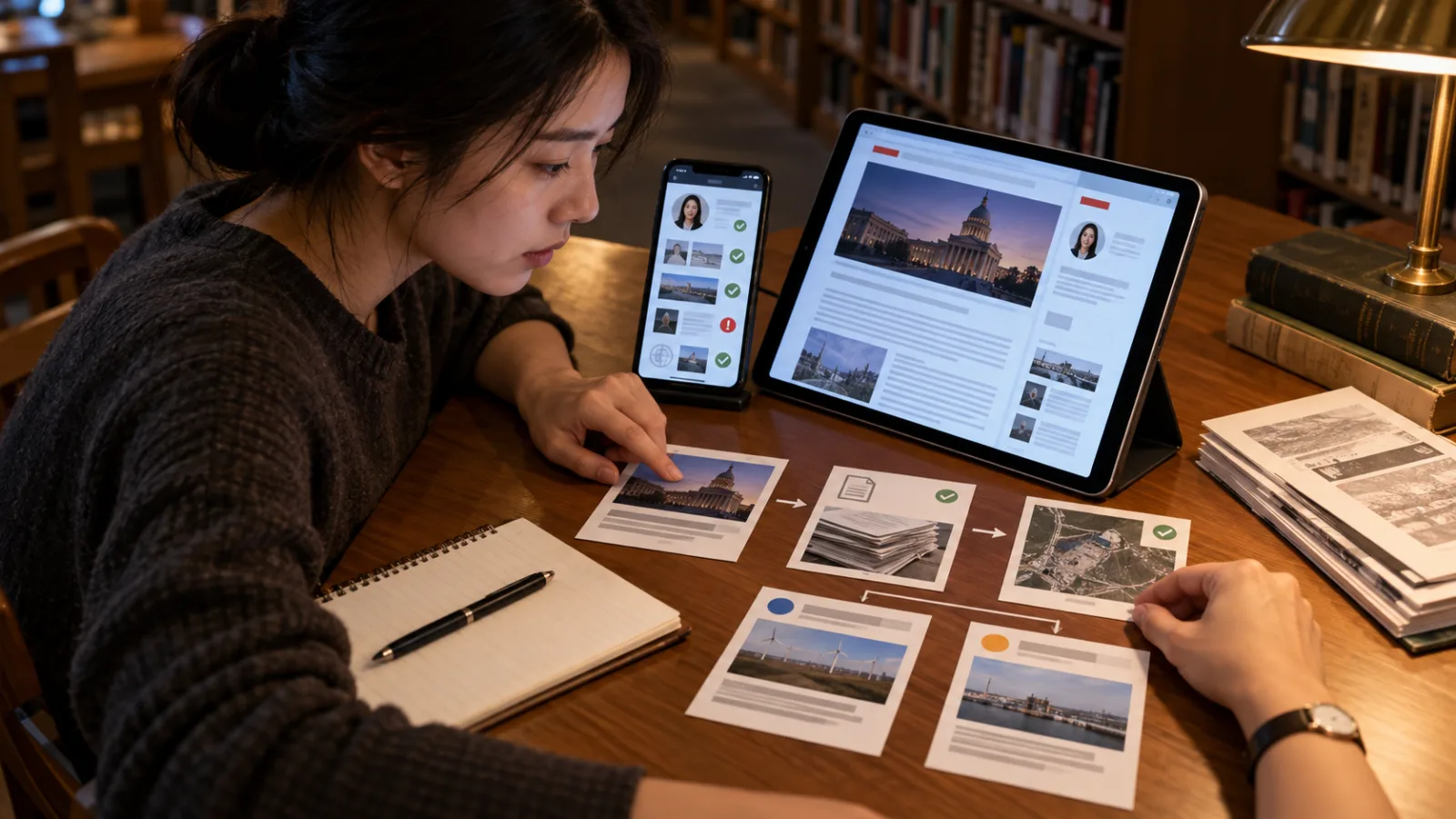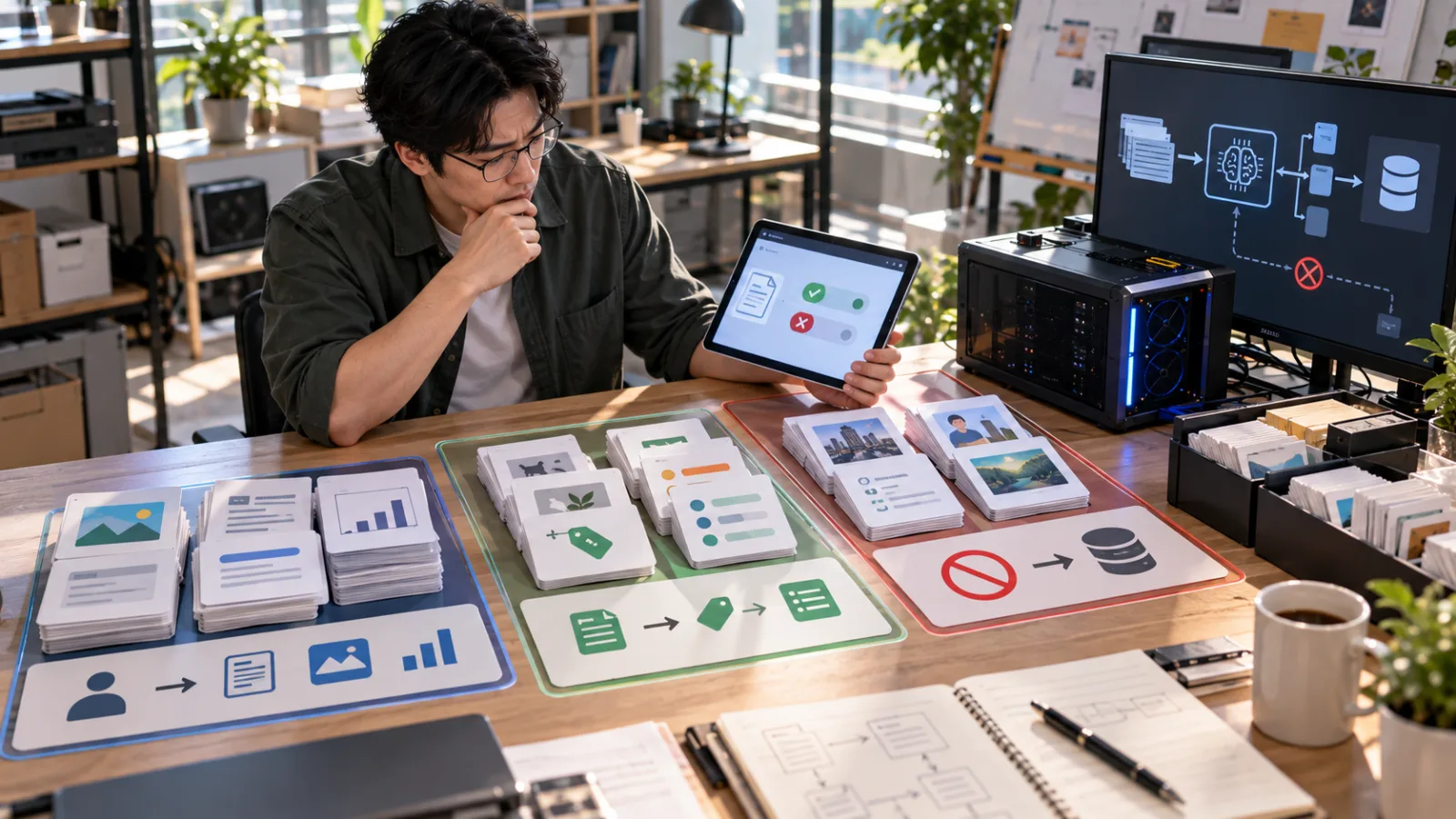
No, it does not.
The Model Weights for Qwen-Image-2.1 are publicly downloadable.
The official description even calls it an:
Open-source Image Generation Model.
This easily leads to the intuitive thought:
Since I can download it to my own computer,
does that mean:
I can directly create images for clients, charge fees, or use it in commercial products?
The answer is no.
The real question isn’t:
"Can I download it?"
but rather:
"What does the license allow me to do with it?"
Qwen-Image-2.1 Is NOT Under Apache 2.0 License
This is a common source of confusion.
Some earlier Qwen models used the:
Apache 2.0 license.
But Qwen-Image-2.1 currently uses the:
Qwen Research License Agreement.
This license clearly states the definition of Non-commercial use as:
Research or Evaluation Purposes Only.
Meaning it is mainly for:
Research,
Testing,
and Evaluation.
Just because weights can be downloaded does not mean commercial usage is automatically permitted.
The License Clearly States: Commercial Use Requires a Separate License
The Qwen-Image-2.1 license explicitly allows users within the authorized scope to:
Use,
Copy,
Modify,
Create derivative works,
and Redistribute materials.
But with one very important condition:
For Non-commercial Purposes Only.
It immediately follows with:
If you want to use the materials for:
Commercial Purposes,
you must obtain a:
Separate Commercial License from Qwen.
So if you download Qwen-Image-2.1, run it on your own GPU, and generate product images that you charge clients for,
you cannot assume your authorization is fulfilled just because the model weights are freely available on GitHub.
“Free” and “Commercial Use Allowed” Are Two Different Things
This is a common misconception with AI models.
Free download answers the question:
"Do I have to pay to obtain the model?"
The Commercial License answers the question:
"Do I have permission to make money using this model?"
They are entirely separate.
For example, a model may be:
Free to download,
Free for research,
Free for testing,
Even free to modify,
But commercial use still requires
a separate agreement.
So in the future, when you see labels like:
Free,
Open Weights,
Source Available,
Open-source
your first question should not just be:
"Is it free?"
You also need to look at the:
License.
What Counts as Commercial Use?
The easiest way to understand is:
If the model is directly involved in your:
Money-making activities,
you should verify the licensing carefully.
Examples include:
Generating paid advertising images for clients.
Integrating Qwen-Image-2.1 into paid SaaS products.
Offering paid AI image generation websites.
Bulk generating product material for e-commerce brands.
Including the model in internal paid enterprise services.
Using it as part of a commercial product.
These are not simply:
"Downloading and playing around at home."
If your specific use case falls into a commercial category as defined by the license,
obtain formal authorization or legal advice.
What you should absolutely avoid is:
Assuming commercial use is allowed just because the weights are publicly available.
What About Personal Testing?
If you are currently only:
Researching model effectiveness,
Testing different prompts,
Checking consistency in character rendering,
Evaluating suitability for future company adoption,
or doing non-commercial research,
this fits within the Research License scope of:
Research/Evaluation.
For example, if you want to test:
Whether Qwen-Image-2.1 keeps product appearances consistent,
If 10 Reference images work well,
Whether transparent backgrounds have clean edges,
these can be considered:
Evaluation tasks.
When you’re genuinely ready to use it in client projects, then arrange a Commercial License.
Second Factor: Where Are You Using It?
This is also important not to mix up.
Suppose you are not:
Downloading the model weights yourself,
but using Qwen-Image-2.1 via:
Online demos,
Cloud services,
or third-party AI platforms.
Then you can’t just look at the model license on the GitHub repository.
You also need to review the:
Terms of Service for that platform.
Because:
The Model Provider
and
The Service Provider
may be different entities.
Some platforms may have secured additional rights for certain commercial uses.
Others may still restrict:
Commercial use.
Or impose rules on:
Output,
Data retention,
Training data,
and Privacy.
So it’s incorrect to say:
"Qwen-Image-2.1 is under a Research License, so no images generated by any website can be used commercially."
This is an oversimplification.
The proper approach is:
Check the actual Terms of the service you are generating from.
Third Layer: The Model May Be Licensed for Commercial Use, But Your Reference Materials Might Not Be
Suppose you have acquired a:
Qwen-Image-2.1 Commercial License.
Does that mean that all images you generate can automatically be used for advertising without concerns?
Still no.
A Model License only covers:
The license relationship between you and the model provider.
It does not automatically grant you:
Rights to third-party copyrights,
portrait rights,
trademark rights,
product image rights,
or client material usage rights.
For example, if you use as references:
A celebrity photo,
A brand logo,
Someone else’s product photos,
or another artist’s illustration,
even if the AI model allows commercial use,
the rights for these reference images remain with their owners.
Model Licensing and Image Rights Are Separate Issues
You can think of this in three layers.
Layer 1: Model License
The key question is:
"Can this AI model be used for commercial purposes?"
For the downloadable version of Qwen-Image-2.1, the answer is:
Research License.
Commercial use requires a separate Commercial License.
Layer 2: Service Terms
The question here is:
"Does the website or cloud platform I’m using allow it?"
If you are not running the model yourself,
you must check the actual terms of service.
Layer 3: Content Rights
The question is:
"Do the input materials I use or the final output contain others’ rights?"
Such as:
People’s likenesses,
Photographs,
Trademarks,
Characters,
or Product design.
Only when all three layers have no issues,
can you confidently integrate the model into a commercial workflow.
The Term “Open-source” Can Lull People Into a False Sense of Security
The official Qwen repository indeed currently describes Qwen-Image-2.1 as an:
Open-source Image Generation Model.
However,
Open-source is not a universal commercial use pass.
What actually determines whether you can:
Modify,
Distribute,
Use commercially,
or create services from the model
is its:
Specific License.
Different open models can have:
Completely different licenses.
So the safest habit is not to think:
"Qwen is commercial-use friendly."
or
"Qwen is not commercial-use friendly."
Because different Qwen models may have different licenses.
What you really need to remember is:
Always check the license of that specific model version.
Even Different Versions from the Same Company Can Have Different Licenses
This is why relying on brand alone for licensing is risky.
The older Qwen-Image repository used:
Apache License 2.0.
But the newer:
Qwen-Image-2.1
uses:
Qwen Research License Agreement.
So within the same Qwen Image family,
different versions may carry different conditions.
Before entering commercial workflows,
it’s best to record:
Model version
along with the license it was governed by.
Not just:
"We use Qwen,"
but rather:
"We use this version of Qwen under that license."
What if I’m Just Taking a $500 Gig? Do I Still Need to Care?
The amount of money doesn’t matter.
It’s about whether you’re:
Engaging in commercial activities.
Licenses don’t become invalid because:
The gig is only $500.
Freelancers especially tend to overlook this.
Because people usually think:
"I’m not a big company anyway."
But if the tool’s license restricts commercial use,
scale isn’t the primary factor.
So spending 30 seconds to check the license before taking the work
will usually save a lot more trouble than realizing the tool isn’t commercially usable afterward.
In Short
When you see an AI model:
Available for download,
Don’t directly translate that as:
"Available for commercial use."
The correct process should be:
Download the model
↓
Check the license
↓
Confirm if commercial use is permitted
↓
If using a platform, review the service terms
↓
Confirm the rights status of any reference materials
↓
Then proceed to formal commercial projects.
The clearest bottom line for Qwen-Image-2.1 now is:
Public weights don’t equal public commercial rights.
Today, let’s progress a little more with AI.
Learn one AI technique every day.
Save a bit of time each day.
Improve your skills daily.
SasaDaily, growing with you.