If your refrigerator is less than a year old,
and has been working fine.
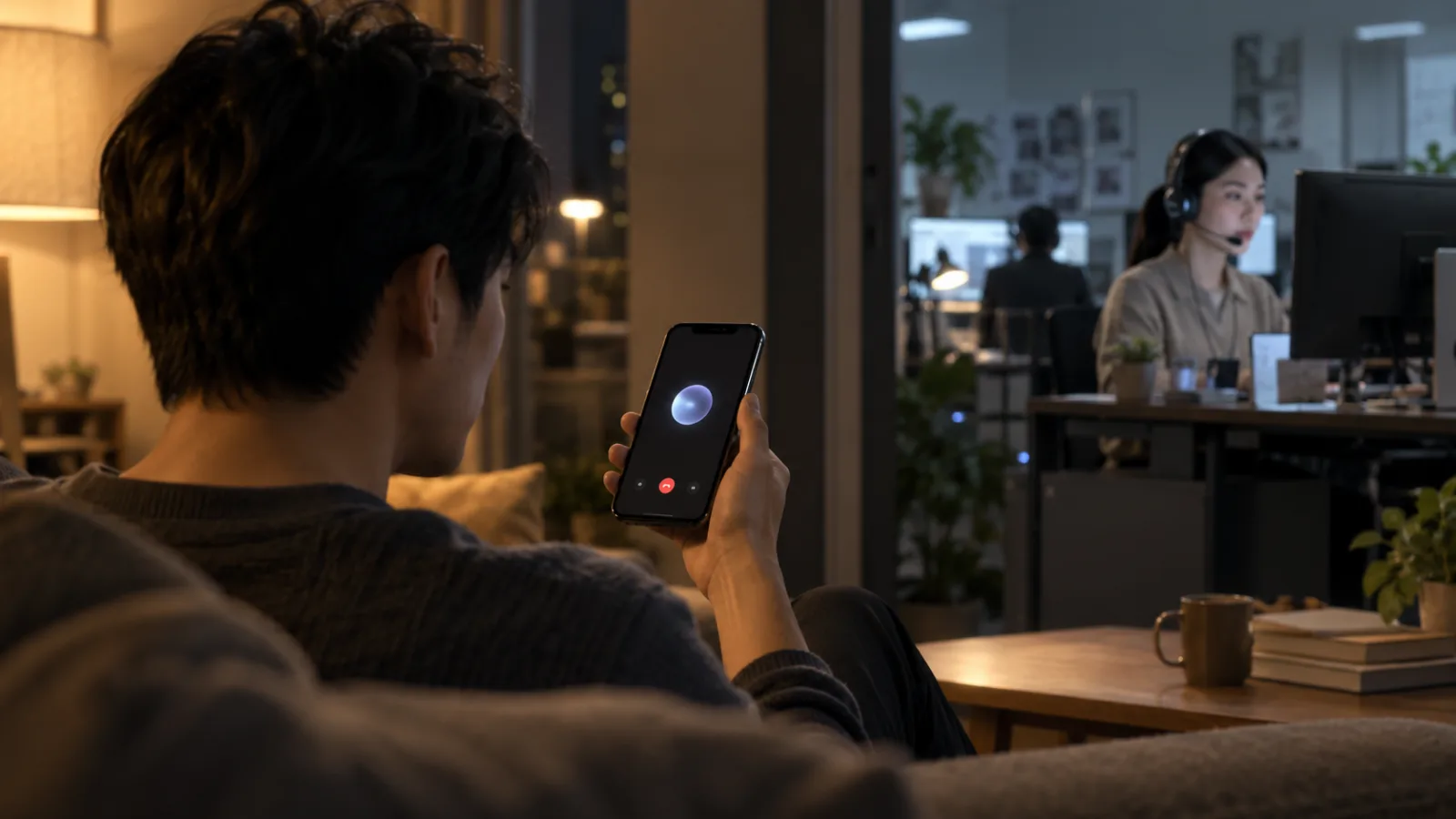
One day, you get a notification on your phone for an official software update.
You probably won't think much of it.
You press update.
Wait for it to finish.
Then carry on with your life.
But recently in South Korea, some people updated and found out:
The fridge stopped cooling.
And it wasn’t just the app not opening.
Users reported that
both the refrigerator and freezer functions stopped working properly.
The issue began after an update on September 22
On September 22,
some Samsung refrigerator users received a software update notification via the SmartThings smart home platform.
After completing the update as instructed,
some found their refrigerators suddenly malfunctioning.
User reports quickly appeared on Samsung’s own Samsung Members community forum.
One user shared that their fridge was working perfectly before the update on September 22,
but started failing right after.
The problem wasn’t just a screen or light glitch,
but both the refrigeration and freezing functions stopped working,
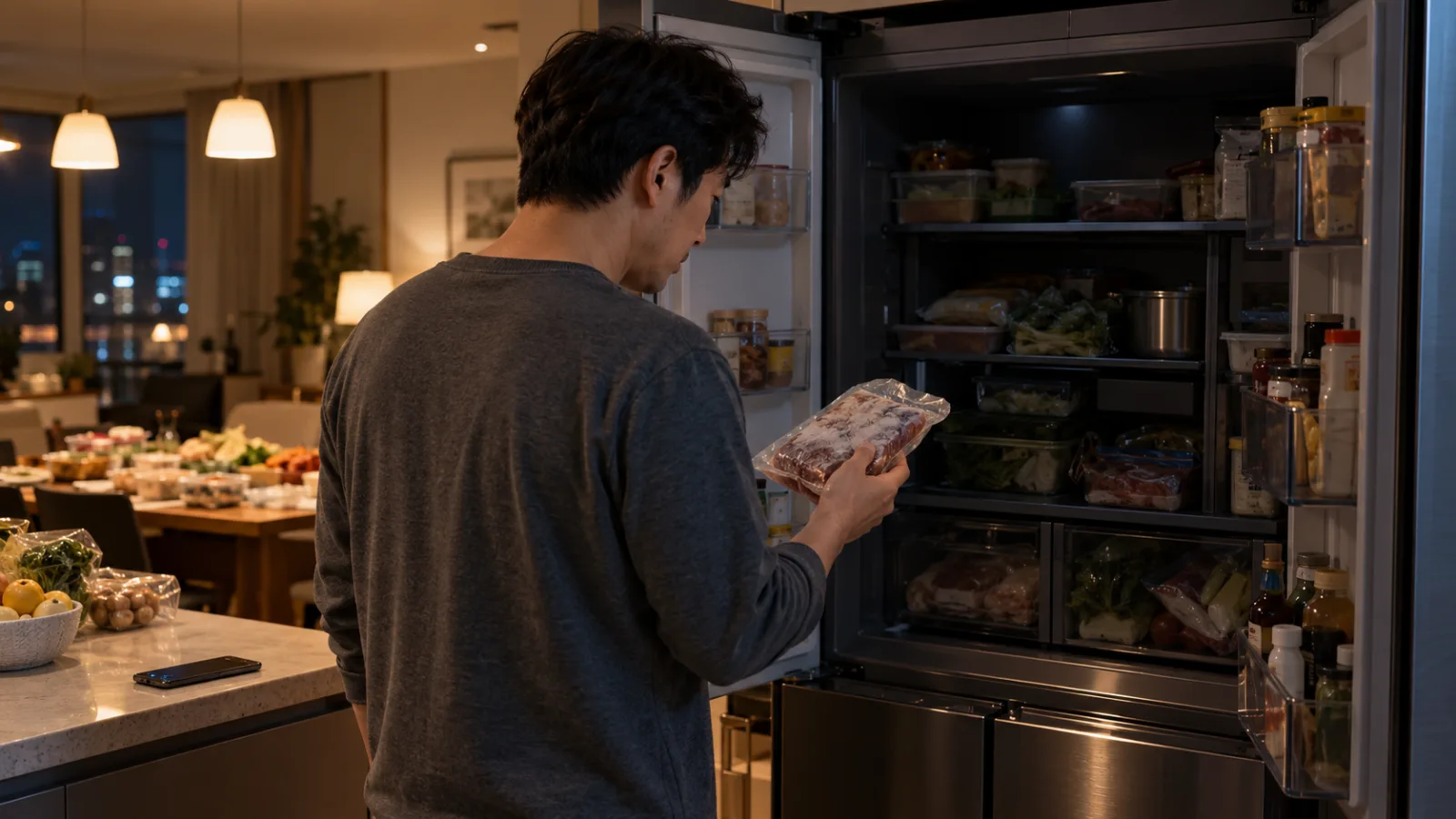
to the point they had to throw away all the food inside.
Other users described similar situations:
Coming home to find the fridge light was off,
the touchscreen unresponsive,
and the internal cooling completely gone.
The timing couldn’t be worse—just before the Chuseok holiday
If it was an ordinary day,
a fridge suddenly breaking down would already be inconvenient.
But this happened at a particularly bad time.
South Korea was preparing for the Chuseok holiday,
and many families had already stocked up on large amounts of ingredients.
SBS reported that the affected refrigerators were packed with food prepared for the holiday.
Interviewees worried:
If the fridge doesn't get fixed,
does that mean all this food will have to be discarded?
So the damage caused by this update bug
is not something easily solved with a simple:
"Just restart it."
Ice cream melted,
meat warmed up,
ingredients lost their refrigeration,
and these are items with real-time limits in the physical world.
If the software fix takes several hours,
the food may not last that long.
Samsung admits testing error in the update the next day
On September 23,
a Samsung Members moderator for kitchen appliances posted an official announcement.
The notice stated:
There was an error during the software update test for Samsung refrigerators on September 22,
causing power and display abnormalities in some customers’ refrigerators.
Samsung is prioritizing emergency repairs through service centers.
ZDNet Korea later reported that
Samsung halted the related SmartThings refrigerator software updates,
and urgently dispatched service engineers to handle affected products.
One important clarification here:
It’s not accurate to say
"All Samsung refrigerators are affected."
The available public information confirms only some products and users were impacted.
There is no reliable public data on the exact number of affected units.
Officially, Samsung reports "power and screen abnormalities," but users report far worse
This is a key distinction.
Samsung’s official statement mentions
some refrigerators experienced "power and screen abnormalities."
But user and SBS reports describe the actual issues as:
Fridges completely unresponsive,
internal cooling disappearing,
refrigeration and freezing functions failing.
So a more accurate way to say it is not:
"Samsung has confirmed the update broke all refrigerators’ cooling systems."
But rather:
Samsung confirmed an error occurred during update testing; some affected users reported severe malfunctions disabling both refrigeration and freezing functions.
These are two separate things and should not be confused.
The bigger takeaway isn’t about Samsung
The most interesting part of this story
isn’t which company made a mistake this time.
It’s that:
Refrigerators are no longer just mechanical appliances.
In the past, if a fridge broke down,
you would consider:
A compressor failure.
Refrigerant issues.
A circuit board malfunction.
A power outage.
Now there is an added cause:
Software update errors.
As appliances get connected online,
linked to apps,
updated remotely,
and integrated into smart home platforms,
risks once limited to computers and phones are now moving into the kitchen.
Software bugs that control physical devices have consequences beyond frozen screens
When a phone update fails,
the most common effects are:
Apps won’t open.
The interface looks strange.
Some features are temporarily unavailable.
But refrigerators are different.
Behind a fridge is:
Food.
Medicine.
Electricity bills.
Daily family life.
And even whole batches of ingredients prepared for holidays.
So although it’s software bugs in both cases,
the practical cost can be entirely different depending on the device.
This also points to an often overlooked reality as smart homes become more widespread:
Giving more physical functions to software also means entrusting software with greater physical risks.
This is not a story about "AI ruining the fridge"
This is an important point.
There is no evidence that
this malfunction was caused by any AI model making a wrong decision.
Samsung’s information points to:
An error during software update testing.
So we shouldn’t spin this because many new appliances have AI features,
into a headline like:
"AI fridge gone rogue."
The real takeaway is a broader trend:
AI, smart homes, cloud services, apps, and the appliances themselves
are gradually becoming part of one single system.
In the future, when you use an "AI appliance,"
reliability won’t depend only on how smart the AI is,
but also:
Whether software updates are thoroughly tested.
Whether the device can operate offline.
Whether cloud outages affect basic functions.
Whether you can revert to a previous stable version.
And most importantly:
Whether the core appliance functions still work when the smart features fail.
SasaDaily previously covered the UGREEN HomeAgent, which highlighted a similar issue of separating local and cloud functions:
Quick AI Q&A|2026/09/08: Does HomeAgent’s use of Local AI mean all functions work offline?
and:
These two articles are from the official Knowledge Index section, URLs confirmed without speculation.
From now on, when buying smart appliances, there may be one more important question
In the past, when buying a refrigerator,
we looked at:
Capacity.
Energy consumption.
Freezing speed.
Warranty.
Now, an additional consideration should be:
If the software breaks, can the fridge still function as a fridge?
It sounds obvious.
But Samsung’s recent incident serves as a real-world reminder:
When everything becomes "smart,"
good design isn’t just about adding more features.
It’s about:
Ensuring the most basic functions keep working when the smart features fail.
Because if your phone crashes,
you might just lose a few hours of scrolling.
If your fridge crashes,
dinner inside won’t wait until you fix the update.
Understand AI in the simplest daily way.
SasaDaily.com